
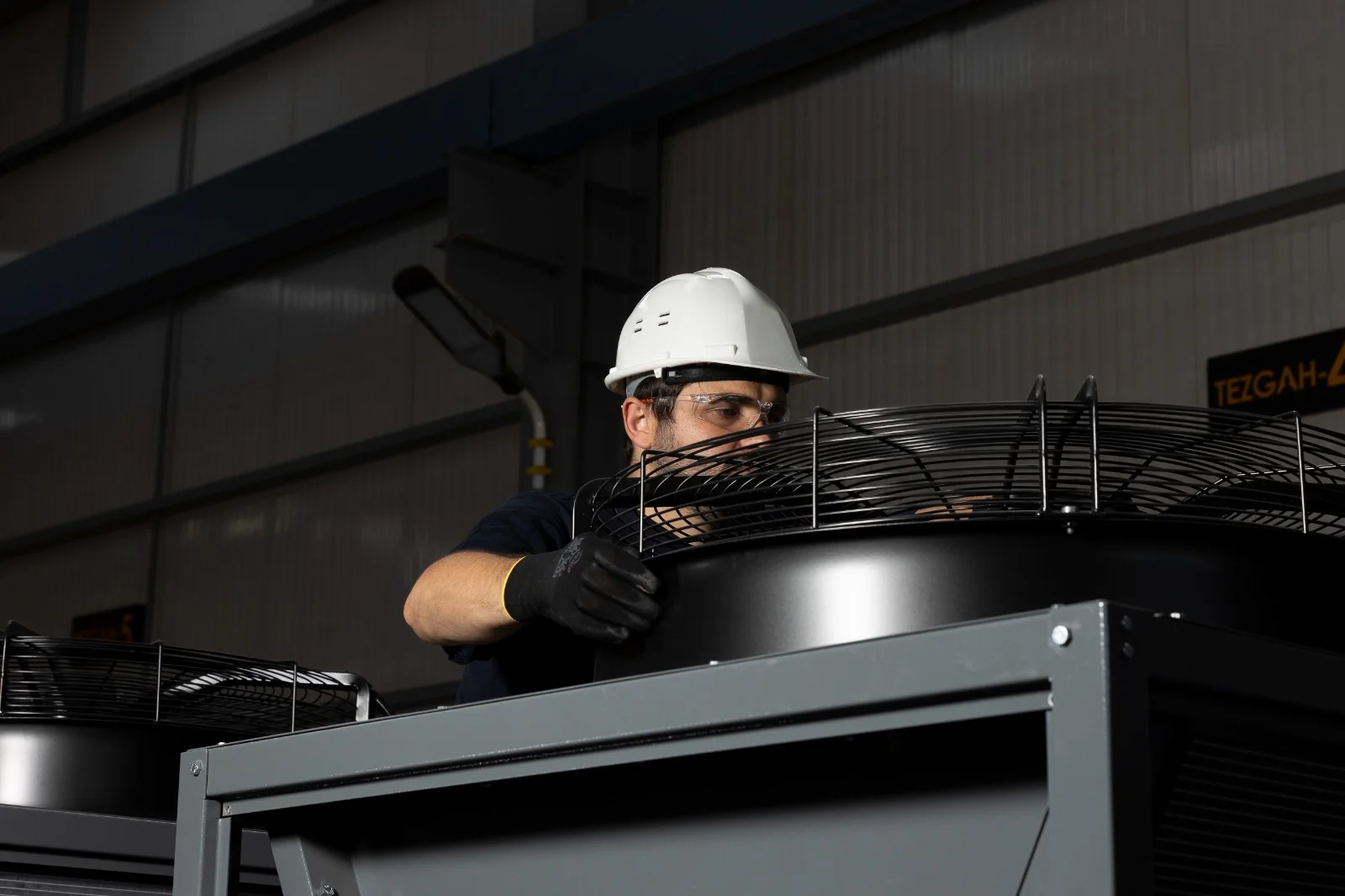
Why Is Compressor Maintenance So Important?
Compressed air systems are one of the key infrastructures that directly affect production continuity in industrial facilities. The compressors at the heart of these systems can only run efficiently, safely and for a long time with regular, correctly performed compressor maintenance. A compressor whose maintenance is neglected is not just a mechanical failure risk; it also lowers energy efficiency, causes pressure fluctuations and leads to unplanned stoppages on production lines. Compressor maintenance is therefore a strategic investment that protects business continuity.
Risks When Regular Maintenance Is Not Done
In compressor systems without regular maintenance, breakdowns usually occur suddenly and at high cost. Clogged filters, degraded oil or inefficient cooling systems can cause the compressor to overheat, lose pressure and stop unexpectedly. Inadequate compressor maintenance also increases energy consumption, raising operating costs and seriously shortening equipment life. More importantly, unplanned breakdowns can endanger production safety and bring lost time and lost reputation for businesses.
Safety and System Checks Before Maintenance
Before starting compressor maintenance, certain checks must be carried out in full for both equipment safety and the health of maintenance staff. The system must be de-energized, compressed air fully released and lockout–tagout procedures applied to prevent an unexpected start. Work carried out without checking electrical connections, safety valves and pressure gauges can lead to serious workplace accidents and equipment damage.
Regular Checks of Filters, Oil and Air Intake Components
In compressor systems, filters, lubrication elements and air intake components are basic elements that directly affect performance. Dirty air filters make the compressor use more energy and cause internal components to wear prematurely. Likewise, a low oil level or degraded oil increases friction and paves the way for serious mechanical failures. Checking air intake points regularly keeps the system running cleanly and stably. Effective compressor maintenance depends on checking these components periodically and replacing them on time.
Monitoring Pressure, Temperature and Operating Values
Whether a compressor is running properly is seen most clearly by regularly tracking pressure and temperature values. Sudden fluctuations in working pressure can point to leaks, clogged filters or loading problems in the system. Similarly, high temperatures are a warning sign of inadequate cooling or lubrication problems. Recording and analyzing these parameters allows action to be taken before breakdowns occur.
Assessing Electrical Connections and Motor Condition
Compressor motors are among the most critical and most expensive components of the system. Loose or oxidized electrical connections, voltage imbalances and excessive current draw reduce motor performance and create serious risks of failure. The condition of the motor bearings, vibration level and operating noise should be checked regularly. These checks both prevent energy losses and extend motor life. Compressor maintenance carried out with a professional approach makes it possible to detect electrical and mechanical risks at an early stage.
Early Detection of Wear and Leaks
Wear and leaks in compressor systems usually show themselves through small signs, but if not noticed in time they can turn into major breakdowns. Air leaks at hose connections, oil leaks, abnormal vibration or changes in operating noise are early warning signals. Detecting such signs during regular checks prevents unplanned stoppages and high repair costs. Effective compressor maintenance increases system reliability by making it possible to act before a breakdown happens.
Maintenance Intervals in Line with Manufacturer Recommendations
Every compressor model has specific maintenance intervals depending on its operating principle and intensity of use. The maintenance intervals set by manufacturers are the technical reference for oil changes, filter checks and inspections of critical parts. Maintenance that does not follow these intervals can lower system performance and also put the warranty at risk. Compressor maintenance should therefore be planned and carried out systematically, taking manufacturer recommendations into account together with operating conditions.
The Importance of Keeping Maintenance Records
Recording compressor maintenance is very important not only for tracking past work but also for correctly planning future maintenance and investment decisions. When the maintenance carried out, the parts replaced and the operating values measured are recorded regularly, the system's performance trends can be clearly analyzed. This approach makes it possible to anticipate breakdown risks and makes maintenance more efficient. Professional compressor maintenance is completed with proper documentation as well as technical work.
Uninterrupted, Safe Compressor Maintenance with Yıldırım Soğutma
At Yıldırım Soğutma, with our 24/7 service infrastructure and experienced technical team, we support the efficient, safe and uninterrupted operation of your systems with professional compressor maintenance planned for the needs of industrial facilities. Contact us for detailed information about the right maintenance solutions for your compressor systems and to request a quote.
Frequently Asked Questions
How often should compressor maintenance be done?
Compressor maintenance varies with the type of unit, running time and ambient conditions, but it should generally be planned in daily, monthly and annual intervals. In industrial facilities with heavy use, periodic maintenance intervals should be shorter. Manufacturer recommendations should be the basic reference here.
Does regular maintenance extend compressor life?
Yes. Regular, correctly performed compressor maintenance reduces wear, protects important parts and helps the system run at its nominal values. This significantly extends the compressor's service life and eliminates the need for premature equipment replacement.
Which parts should be checked first during compressor maintenance?
During maintenance, the air filters, oil level and oil quality, pressure values, cooling system and air intake components should be checked first. These parts should not be neglected because they directly affect performance.
What problems occur if an oil change is delayed?
A delayed oil change can increase friction, cause overheating and seriously damage internal mechanical parts. Contaminated oil also lowers compressor efficiency and increases the risk of breakdowns.
How does filter maintenance affect compressor performance?
Clogged or dirty filters restrict air flow and make the compressor use more energy. This leads to both a loss of performance and higher operating costs. Regular filter maintenance keeps the system running evenly and efficiently.
What breakdowns occur in compressors whose maintenance is neglected?
Pressure drops, overheating, oil leaks, motor failures and sudden system stoppages are common in compressors whose maintenance is neglected. Such breakdowns usually result in high repair costs and lost production.
Can users carry out compressor maintenance themselves?
Daily visual checks and basic cleaning can be done by the user. However, detailed technical checks, measurements and part replacements must be carried out by expert technical teams. Professional compressor maintenance is critical for system safety.
Does planned maintenance affect energy consumption?
Yes. Planned, regular maintenance prevents the compressor from running under unnecessary load and optimizes energy consumption. This lets businesses work with lower energy costs and keep system efficiency sustainable.