1. Miscalculating Capacity
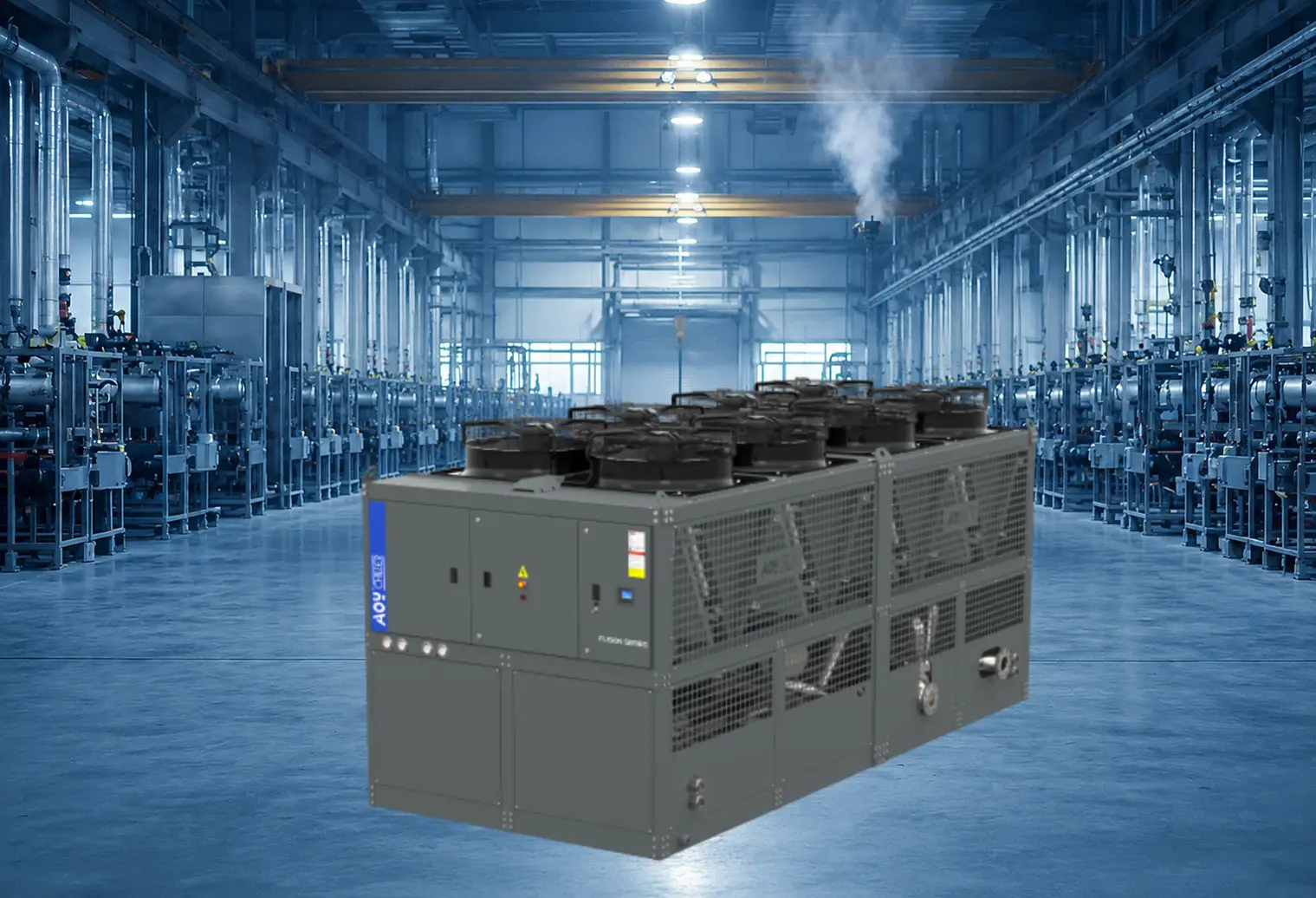
One of the most common mistakes in industrial facilities is getting the required cooling or air capacity wrong. Basing the capacity calculation only on immediate needs makes it hard for the system to adapt to changing production volumes. In the chiller selection process, the process's peak loads, changes in ambient temperature and future growth plans must always be included in the equation.
Choosing a unit with excess capacity may look like a safe bet at first, but it means unnecessary energy consumption. A huge unit constantly starting and stopping to handle a small heat load puts excessive strain on its electric motors. On the other hand, with an undersized compressor selection, the system cannot meet air demand and pressure drops occur on the production line. Machines that lose performance spoil product quality and cost the business money.
2. Focusing Only on Price
Making the initial purchase price the only criterion in investment decisions is the biggest factor that leads businesses into the hidden cost trap. Cheap equipment generally has lower efficiency and higher operating costs. With the wrong chiller selection, the amount saved at the start is usually paid back in high electricity bills within the first year.
With industrial equipment, the real focus should be the Total Cost of Ownership (TCO) the unit will generate over its entire service life. This cost covers energy consumption, periodic maintenance, spare parts prices and potential breakdown downtime. Strategically minded businesses put engineering quality ahead of price for long-term profitability.
3. Choosing a System That Doesn't Fit the Need
Making the wrong choice between air-cooled and water-cooled systems directly affects the facility's infrastructure and budget. Although water-cooled units offer higher efficiency, they bring additional burdens such as cooling tower maintenance and water treatment. Air-cooled systems, on the other hand, are easier to install but can lose efficiency at high ambient temperatures.
Failing to consider innovative options such as free cooling is also a big mistake. Using outdoor air for cooling in winter can reduce energy consumption by up to 70%. Whether such additional equipment is included in the project depends on the depth of the chiller selection analysis carried out.
4. Choosing the Wrong Type of Compressor
Different technologies such as screw, piston or scroll serve specific purposes. Installing a piston unit on a production line that runs continuously brings overheating and mechanical wear problems. When making a compressor selection, the energy saving potential of VSD (variable speed drive) technology should always be assessed.
In industries such as food or pharmaceuticals, if oil-free technologies are not chosen, there is a risk of contaminating the products made. Wrong choices in such cases can have severe consequences, up to the destruction of entire production batches.
5. Ignoring Energy Efficiency
In cooling systems, values such as COP (Coefficient of Performance) and EER (Energy Efficiency Ratio) are the most basic data showing a unit's performance. When making a chiller selection, you should look not only at the nominal values of these coefficients but also at performance at partial loads (ESEER / IPLV). A chiller unit spends most of its working life not at full capacity but at loads between 50% and 75%.
Not integrating heat recovery systems is also a big waste of energy. Using the waste heat rejected during cooling to heat domestic water delivers revolutionary savings. When designing industrial cooling systems, the efficiency class (IE3, IE4) of every motor should always be checked.
6. Not Taking Maintenance and Service into Account
With the wrong chiller selection, waiting weeks for a spare part during a breakdown can bring the whole factory to a halt. Units with weak local service support are a major risk factor for a business. Units with remote monitoring and fault diagnosis features prevent unplanned stoppages by spotting problems before they grow.
A system without a maintenance strategy is bound to break down at an unexpected moment sooner or later. Planned preventive maintenance services are vital insurance that keeps the system's performance at its original level.
7. Not Thinking About System Integration
If the unit's communication protocols (Modbus, BACnet, etc.) cannot talk to the existing central control system, the system has to be managed manually. In smart factories, all equipment sharing data with each other is a basic requirement for energy optimization. Systems with poor integration capability lock the business into manual controls and increase the margin for error.
On the physical side, problems such as mismatched pipe diameters or weak electrical infrastructure arise. After the compressor selection, the air dryers and filters to be used must be compatible with the compressor's output values. A proper engineering project ensures all these parts work in sync.
Discover the Right Chiller and Compressor Solution for Your Facility Today
If you want to increase energy savings in your facility, reduce the risk of breakdowns and manage the chiller selection and compressor selection processes professionally, you can benefit from Yıldırım Soğutma's wide product range and 24/7 service capability. Contact us today for detailed information and solutions tailored to you.