
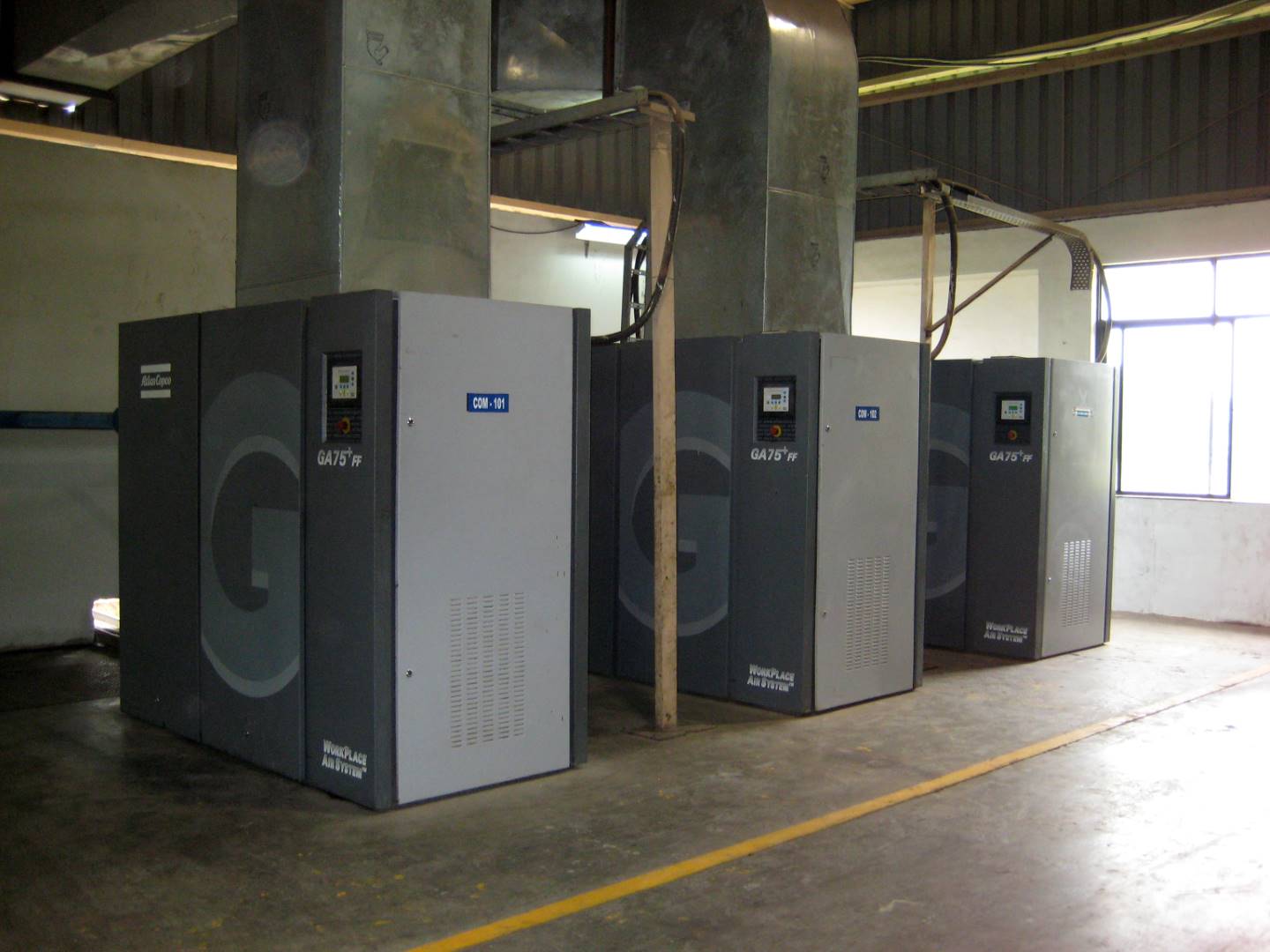
What Is a Compressor Part and What Does It Do?
A compressor part is any mechanical or auxiliary component involved in producing, compressing and cooling compressed air and delivering it safely to the system. These parts do not work on their own but as a whole, allowing the compressor to perform efficiently and stably. Every compressor part directly affects the system's ability to produce pressure, its energy consumption and its working life. That is why correctly understanding a part's function during breakdowns, maintenance or part replacement prevents wrong interventions and costly downtime.
What Are the Names of Compressor Parts?
Although compressor part names vary with the type of compressor, they can be grouped by their basic functions. In general, compressor systems include a motor, compression elements, a lubrication system, cooling components, intake and discharge valves, filters and control equipment. In piston systems in particular, piston compressor part names center on components such as the piston, piston rings, cylinder, crankshaft and intake and discharge valves. Each of these parts is very important for consistent system performance, and choosing the right part directly determines the quality of maintenance.
Piston Compressor Part Names and Functions
In piston compressors, compressed air is produced by turning mechanical motion directly into compression. Piston compressor part names are therefore critical for understanding how the system works. The main parts include the piston, piston rings, cylinder, crankshaft, connecting rod and intake and discharge valves. The piston and rings compress the air inside the cylinder, while the crankshaft and connecting rod convert the motor's motion into linear compression motion. The valves control when the air is drawn in and pushed out. Each of these parts has a direct effect on the piston compressor's ability to produce pressure and its efficiency.
How Compressor Parts Affect Operating Performance
A compressor's efficient and stable operation is directly related to the mechanical fit and condition of every compressor part in the system. Wear on the piston rings reduces compression efficiency and causes pressure loss, while a drop in performance of the intake and discharge valves upsets the balance of air flow. Problems in the lubrication and cooling components increase friction, causing overheating and premature wear of parts.
What Should You Look for When Choosing a Compressor Part?
When choosing a compressor part, its technical specifications, material quality and suitability for the operating conditions should be considered. A wrong or poor-quality compressor part can soon cause another breakdown and reduce the system's overall performance. When choosing a part, the compressor type, working pressure, frequency of use and manufacturer recommendations must always be taken into account. Especially in piston systems, part replacements made without correctly knowing piston compressor part names and their technical tolerances can lead to serious costs in the long run.
The Right Parts and Reliable Performance for Your Compressor Systems
At Yıldırım Soğutma, we believe that efficient, long-lasting compressor systems depend on correct part knowledge and correct application. With our experienced technical team, we identify the part solutions that best suit your needs and manage maintenance and service with confidence. Contact us to maintain your systems' performance and for sustainable solutions.
Frequently Asked Questions
Which compressor part fails most often?
Although it varies with the type of use, the compressor parts that fail most often are generally the piston rings, intake and discharge valves and filter elements. Because these parts are constantly exposed to movement and pressure, they wear over time and cause a loss of performance.
Does replacing a compressor part affect performance?
Yes. A correctly chosen and properly fitted compressor part directly improves system performance. Conversely, using the wrong or poor-quality parts can lead to pressure losses, erratic operation and increased energy consumption.
Are piston compressor parts different from other compressor types?
Yes. Because they depend on the principle of mechanical compression, piston compressor parts differ from those of screw or centrifugal compressors. Parts such as the piston, piston rings, cylinder and crankshaft are found only in piston systems, and the way they work is built around these components.
Why is it important to use genuine compressor parts?
Genuine parts are designed to match the manufacturer's tolerances and operating conditions. Using a genuine compressor part preserves system compatibility, reduces the risk of breakdowns and extends the compressor's life. Aftermarket or incompatible parts can soon cause another breakdown.
Do compressor parts need regular maintenance?
Yes. All compressor parts need to be checked and maintained at set intervals. Regularly checking moving parts and parts prone to wear in particular prevents sudden breakdowns and production losses.
What happens if the wrong compressor part is chosen?
Choosing the wrong part can lead to serious problems such as reduced performance, increased energy consumption and an upset system balance. In the long run, this leads to a chain of breakdowns and high maintenance costs.